Why human trust shapes AI success
Technology alone doesn’t transform services—people do. Discover why psychology, trust, and culture matter more than code in the age of AI, and how Essex County Council is taking a human-first approach.
Technology alone doesn’t transform services—people do. Discover why psychology, trust, and culture matter more than code in the age of AI, and how Essex County Council is taking a human-first approach.

Adam Spencer details how the User Researchers within Essex County Council work with staff and residents to gather data that helps the council make important changes and improvements to its services by exploring and validating user needs.

The short answer is no. People who need them use their own translation tools. But, you can write the content in a way that those tools will translate well. Where we know we need one or two specific languages for …

Our lives are influenced by technology, sometimes without our awareness. We want to share what we are doing to transform the way we work and help our colleagues.
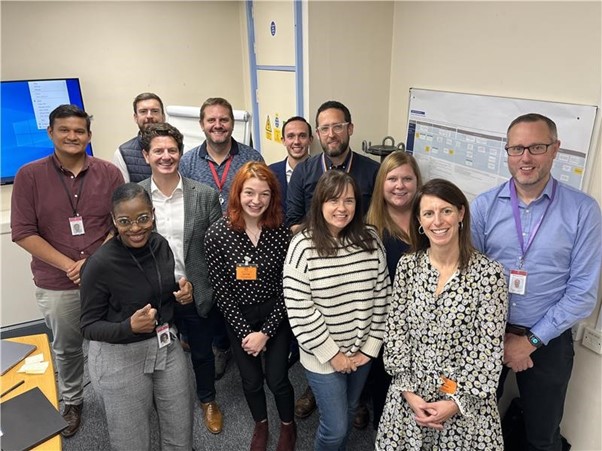
Shaurya Rajwar explores our relationship with PricewaterhouseCoopers and how we want Robotic Process Automation to drive efficiency in processes and applications across our digital assets

Bianca and Claire want to share with you the potential benefits and drawbacks of using AI images in a work setting that was discovered during the recent AI Hackathon
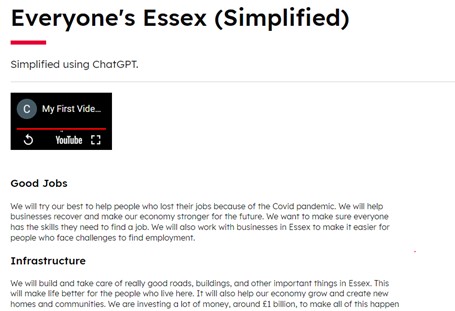
Using a product approach during the AI Hackathon one team looked at how using AI, could be a possibility to simplify website content for users.
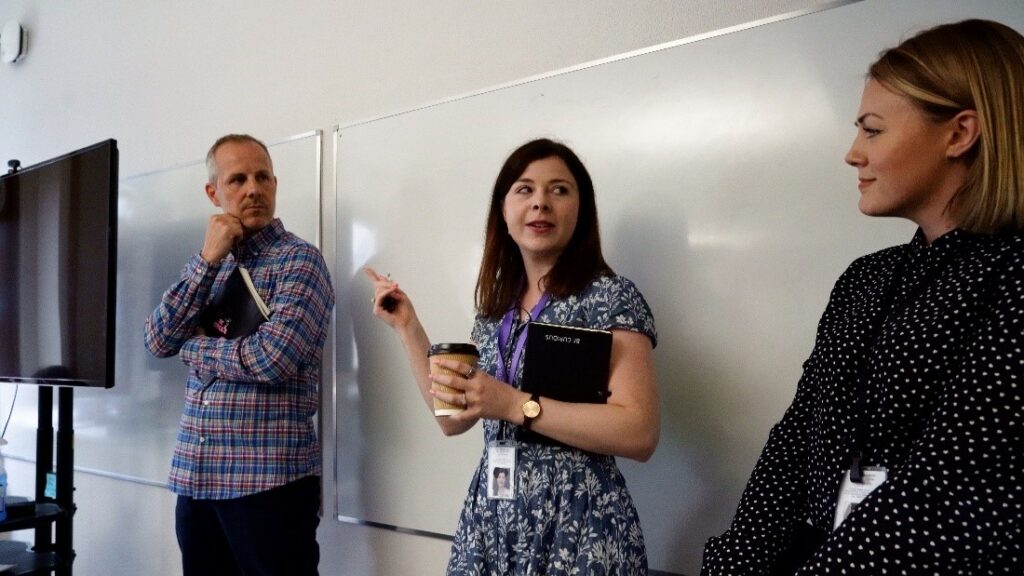
At our recent hack day our Service Design colleagues explored how AI tools might help them spend less time on low-value activities and create more value and impact in their design work.
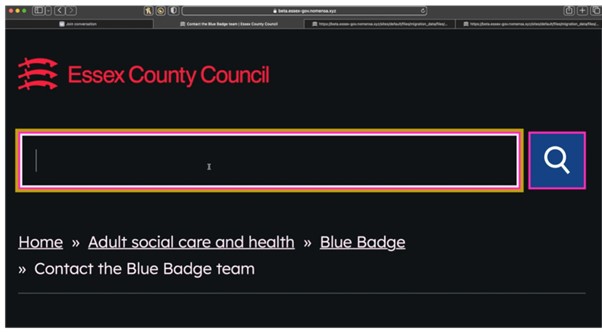
Our User Research team detail the specifics on organising and conducting a round of study whilst developing an accessible website with individuals who are blind or partially sighted. They'll discuss some of the lessons learnt, the findings and what they signify for our digital services, and the Blue Badge that was prioritised during the study.
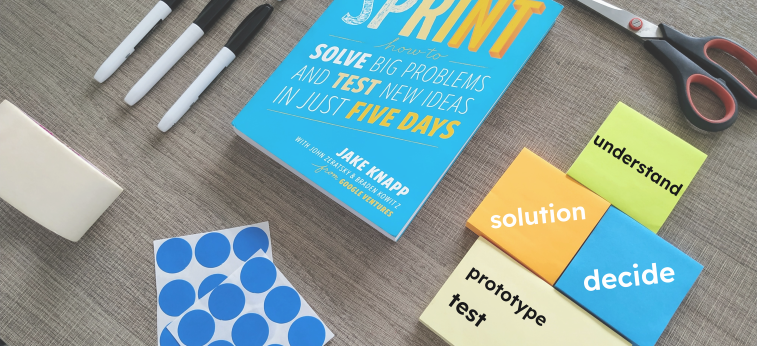
Jessica Kiss and Thomas Oehrling take us through how organising a multidisciplinary Design Sprint to address a decade old problem gave agency to all users involved.